Exploring how cognitive biases shape gambling behavior
Understanding Cognitive Biases
Cognitive biases are systematic patterns of deviation from norm or rationality in judgment, which can greatly influence decision-making processes. For instance, players new to the casino world may find themselves needing to complete a Pinco login before they can fully immerse themselves in the exciting range of games available. These biases can skew perceptions of risk and reward, leading players to make irrational choices. For example, the illusion of control bias leads gamblers to believe they can influence outcomes, despite the random nature of games like slots or roulette.
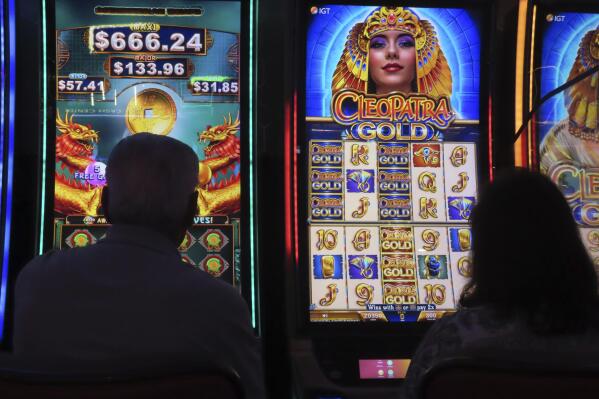
This cognitive distortion can create a false sense of confidence, encouraging players to engage more frequently. Understanding these biases is crucial for recognizing how they can enhance or undermine gambling experiences, ultimately affecting a player’s financial and emotional well-being.
The Role of the Gambler’s Fallacy
The gambler’s fallacy is a prevalent cognitive bias where individuals believe that future probabilities are altered by past events. For example, if a coin has landed on heads multiple times in a row, a player may irrationally conclude that tails is “due” to occur. This flawed reasoning can lead to misguided betting decisions, causing players to wager more in hopes of a perceived trend.
This fallacy not only misguides players in their strategies but also feeds into a cycle of chasing losses, further impacting their gambling behavior and financial stability. Recognizing this bias is essential in fostering more informed and rational decision-making in gambling scenarios.
Emotional Influences on Gambling Decisions
Emotions play a significant role in gambling behavior, often intertwining with cognitive biases. Feelings of excitement and anticipation can cloud judgment, leading players to overlook the odds in favor of the thrill of the game. This emotional response can trigger impulsive decisions, causing players to make bets they might normally avoid when thinking logically.
Moreover, negative emotions like frustration or anxiety can push individuals to gamble more in an attempt to recover losses, which is often a recipe for disaster. Understanding the emotional factors at play can help gamblers develop healthier habits and a more balanced approach to their gaming experiences.
Strategies to Mitigate Cognitive Biases
Implementing strategies to mitigate the effects of cognitive biases can significantly improve gambling behavior. One effective approach is setting strict budgets and adhering to them, which encourages self-discipline and limits emotional decision-making. By establishing clear boundaries, players can cultivate a more controlled gambling environment.
Additionally, educating oneself about the odds and probabilities of games can help counteract misconceptions fueled by cognitive biases. Knowledge empowers players to make informed decisions, reducing the allure of biases like the illusion of control and the gambler’s fallacy.
Pinco Casino: A Responsible Gaming Environment
At Pinco Casino, the emphasis is on providing a safe and responsible gaming experience for all players. With over 4,000 games available, including slots and table games, players are encouraged to enjoy their favorite activities while being aware of the psychological factors that influence gambling behavior. The focus on responsible gaming is crucial, especially for newcomers who may not yet be acquainted with general casino etiquette.
The platform is designed with user safety in mind, offering tools and resources to help players understand their gambling habits. By fostering a knowledgeable and responsible community, Pinco Casino aims to create an engaging and secure environment for both new and experienced gamblers alike.