The historical journey of gambling from ancient rituals to modern casinos
Origins of Gambling in Ancient Civilizations
The roots of gambling can be traced back to ancient civilizations, where it was often intertwined with religious practices and social rituals. In cultures such as the Mesopotamians, Egyptians, and Greeks, games of chance were not merely a form of entertainment but also served significant cultural and spiritual purposes. For instance, the ancient Greeks played dice games that were believed to be favored by the gods, reflecting their deep connection to fate and chance. In the context of modern times, many users enjoy the thrill of an online casino, which encapsulates this mix of entertainment and risk.

These early forms of gambling included not only dice games but also betting on events like chariot races and gladiatorial contests. These activities fostered community engagement and social bonding, demonstrating how gambling was an integral aspect of life in these societies. Such historical contexts laid the foundation for the evolution of gambling practices, allowing them to flourish across various cultures over time.
The Transition from Rituals to Structured Games
As societies evolved, so did the nature of gambling. By the Middle Ages, gambling had transitioned from simple games of chance to more structured forms of betting. This period saw the emergence of card games and the establishment of the first gaming houses. These venues were often regulated by local governments, indicating a growing recognition of gambling’s economic potential.
This evolution also led to the development of gambling laws, with various regions imposing regulations to control betting activities. The emergence of these laws reflected an understanding of the social implications of gambling, as authorities sought to mitigate issues such as cheating and corruption while maximizing tax revenue. This legal framework was crucial in shaping the modern gambling landscape.
The Rise of Casinos in the 17th and 18th Centuries
The 17th and 18th centuries marked a significant turning point in gambling history with the establishment of dedicated casinos, particularly in Europe. The first official casino, the Casino di Venezia, opened in Italy in 1638, leading to a trend that spread across the continent. These opulent venues catered to the wealthy, offering a range of games and luxurious experiences.
During this time, gaming tables and slot machines began to appear, providing a new layer of excitement for patrons. Casinos became social hubs where people could indulge in gambling while enjoying fine dining and entertainment. This era not only solidified the casino as a prominent gambling institution but also paved the way for the commercialization of gambling, laying the groundwork for today’s gambling establishments.
The Legalization and Expansion of Gambling in the 20th Century
The 20th century brought about a significant transformation in the gambling industry, particularly in the United States. The Great Depression prompted states to legalize gambling as a means to boost the economy and generate revenue. The establishment of Las Vegas as a gambling capital during the mid-20th century epitomized the commercial potential of casinos, attracting millions of visitors each year.
In addition to Las Vegas, other locations across the U.S. and worldwide began to embrace legalized gambling, leading to a diverse array of gaming options. From state lotteries to online gambling platforms, the 20th century saw the proliferation of gambling opportunities, reflecting changing attitudes towards the activity and the growing acceptance of gambling as a legitimate form of entertainment.
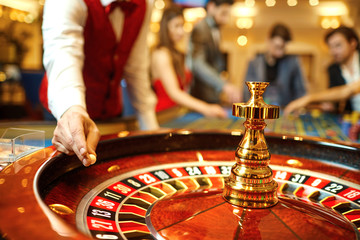
Exploring the Modern Gambling Landscape
Today, the gambling industry is more diverse and accessible than ever before. With the advent of technology, online casinos and mobile betting applications have revolutionized how people engage with gambling. This evolution has not only increased accessibility but has also raised important legal and ethical considerations regarding gambling addiction and consumer protection.
The modern gambling landscape is characterized by a balance of regulation and innovation. Governments continue to establish laws aimed at protecting players and ensuring fair practices, while casinos and online platforms invest in responsible gaming initiatives. As the gambling industry evolves, it remains a complex interplay of tradition, entertainment, and legal frameworks, reflecting its rich historical journey.